Dirty Jobs' Mike Rowe Teams Up with Nebraska's Sandy Dotson to Address the Labor Shortage
Dirty Jobs' Mike Rowe Teams Up with Nebraska's Sandy Dotson to Address the Labor Shortage
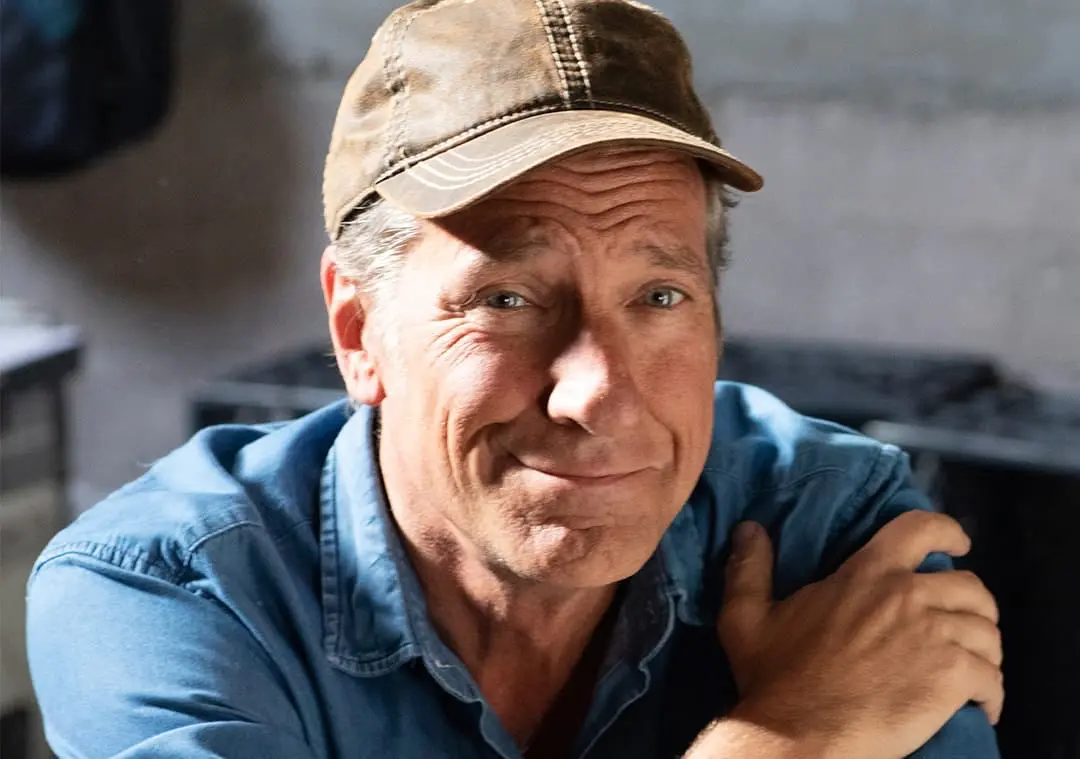
Mike Rowe, the host of the popular TV show "Dirty Jobs," has been a long-time advocate for the skilled trades. In partnership with Sandy Dotson, a Nebraska cattle producer, he aims to address the growing labor shortage in the agricultural industry. The shortage is not only affecting farming and ranching but also other sectors, including construction and manufacturing.
According to the Bureau of Labor Statistics, the construction industry is facing a severe labor shortage, with over 200,000 unfilled positions in 2020. The agricultural industry is not far behind, with a shortage of skilled workers in areas such as irrigation, crop management, and animal husbandry. The causes of the labor shortage are complex and multifaceted, but some possible reasons include an aging population, a lack of vocational training programs, and a decline in public perception of the skilled trades as desirable careers.
To better understand the issue, Rowe and Dotson recently visited a Nebraska farm, where they spoke with local workers and toured the facilities. "I was struck by the realization that folks in the skilled trades are, in many cases, invisible," Rowe said in an interview. "If they're not working in an office, you don't see them, and it's not on the radar screen of many young people."
Better Pay and Benefits Can Help Fill the Labor Gap
One of the main reasons why the labor shortage persists is that many skilled trades workers are not being fairly compensated for their work. According to a report by the compensation firm, FMI, the average annual salary for construction workers in the United States is around $56,000, while the average annual salary for engineers is around $115,000. However, the salaries for construction workers in many areas are not reflective of the value they bring to a project.
In Nebraska, the average annual salary for a skilled trades worker is around $45,000. This is below the national average, and the state's agricultural industry is deeply affected by this shortage. Dotson's farm, for example, has struggled to find workers who can properly care for the cattle, particularly in areas such as vaccination and animal husbandry.
Brett Stewart, a local farmer and rancher, described the labor shortage as a "crisis" in an interview. "We're losing good people because they can't make a living wage," he said. "The cost of land, the cost of equipment, and the cost of other expenses are making it harder and harder for us to stay afloat."
Year-Round Jobs in the Agricultural Industry
Many people perceive agriculture as seasonal work, but this is not the reality. There are year-round jobs in agriculture, and the crop cycle is continuous. In addition, farming and ranching operations require workers during the offseason to maintain equipment, repair buildings, and perform administrative tasks.
At Dotson's farm, for example, there are several full-time workers who are responsible for the maintenance of the farm equipment and infrastructure. These workers have to fix broken tractors, repair fences, and keep the buildings in good condition.
To attract more workers to the agricultural industry, Dotson has implemented several programs on his farm, including a paid internship program and a mentorship program for young workers. He recognizes that many young people are hesitant to join the industry because they lack experience, and the mentorship program aims to address this by pairing experienced workers with those who are just starting out.
Diversifying the Labor Pool
Another challenge facing the agricultural industry is the need to diversify the labor pool. In many areas, the majority of the agricultural workforce is comprised of white males, while many other groups, including women, minorities, and immigrants, are underrepresented.
Sandpoint, a program that provides vocational training for women in agriculture, provides one example of how the industry is trying to address this issue. Through the program, women can receive training in areas such as crop management, farm maintenance, and irrigation, and also receive mentorship and networking opportunities.
Money Math: Investing in Developing School Curriculum
A related problem is that educational institutions often prioritize STEM subjects and other areas of study over vocational training. This can limit the number of students who are prepared for careers in the skilled trades.
According to Rowe, if the United States is to address the labor shortage, then it is essential to "build the pipeline" by investing in vocational training programs and providing adequate funding for schools to develop curriculum related to skilled trades. The U.S. Department of Labor estimates that by 2030, there will be over 8 million unfilled jobs due to a lack of skilled workers.
FMI, in its 2018 report on construction labor, stated that, "It's time for America's students and policymakers to take vocational training seriously and treat it as a viable, career-changing option." Focusing on skilled trades programs and emphasizing their value to the economy can be a reality-check for many students.
In conclusion, the labor shortage in agriculture and other skilled trades is a complex issue that requires a multi-faceted approach. By increasing pay and benefits, highlighting the year-round nature of agriculture, diversifying the labor pool, and investing in vocational training programs, the industry can attract more workers and help address the shortage.



Related Post

Mike Rowe's Unsung Heroes: Unveiling the World of Trades Through Sandy Dotson

Das Jobs Ct: Revolutionizing Recruitment with Cutting-Edge Technology

Unstoppable Force: Unraveling the Dominance of Zach Edey in College Basketball

Freestyle Libre at Costco Canada: Unchecked Advantage for People with Diabetes